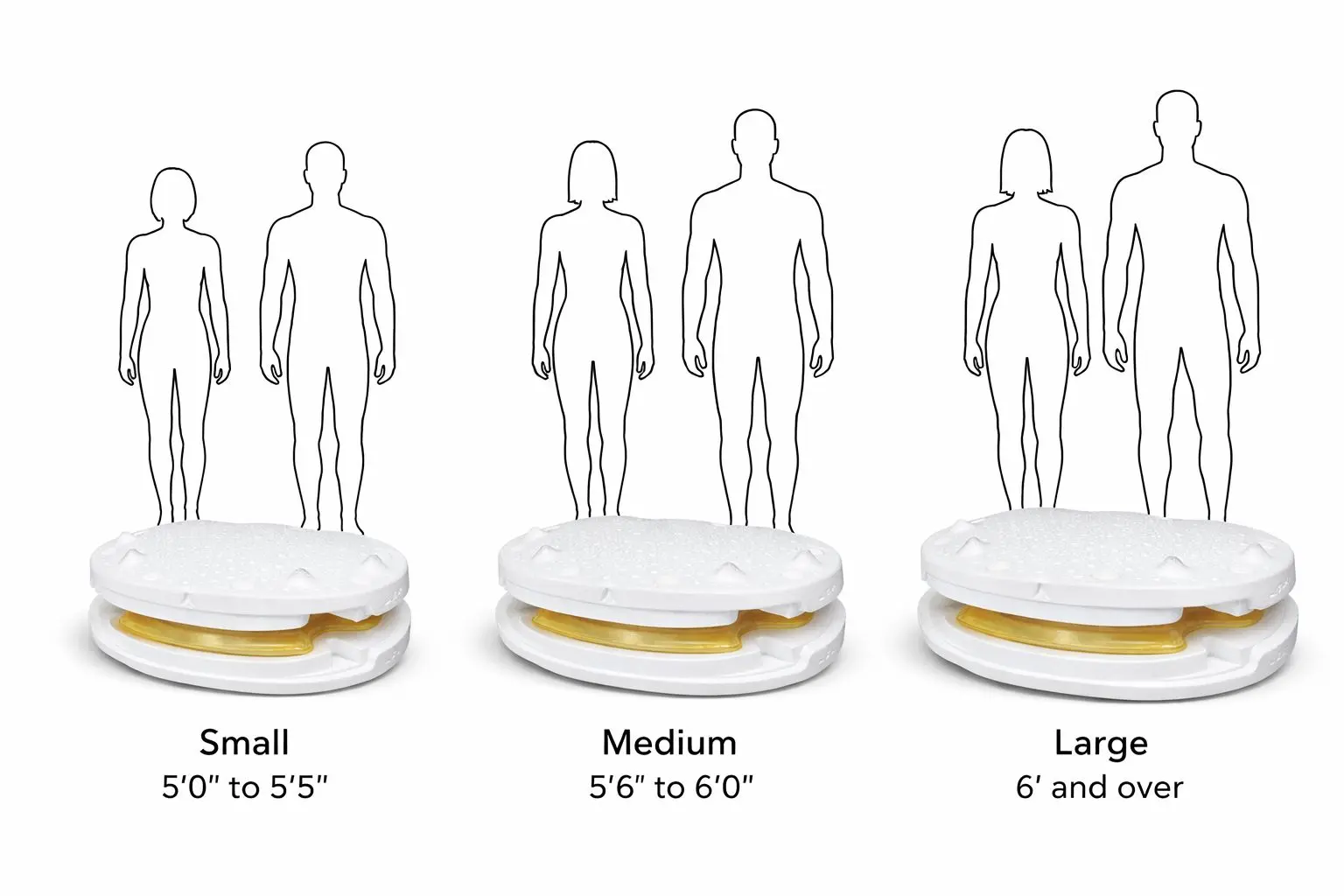
EvoFlex™ L-TDR is an investigational device. Not approved or cleared by the U.S. FDA. Not available for commercial sale.
Engineering Around the Individual. Because No Two Spines Are Alike.
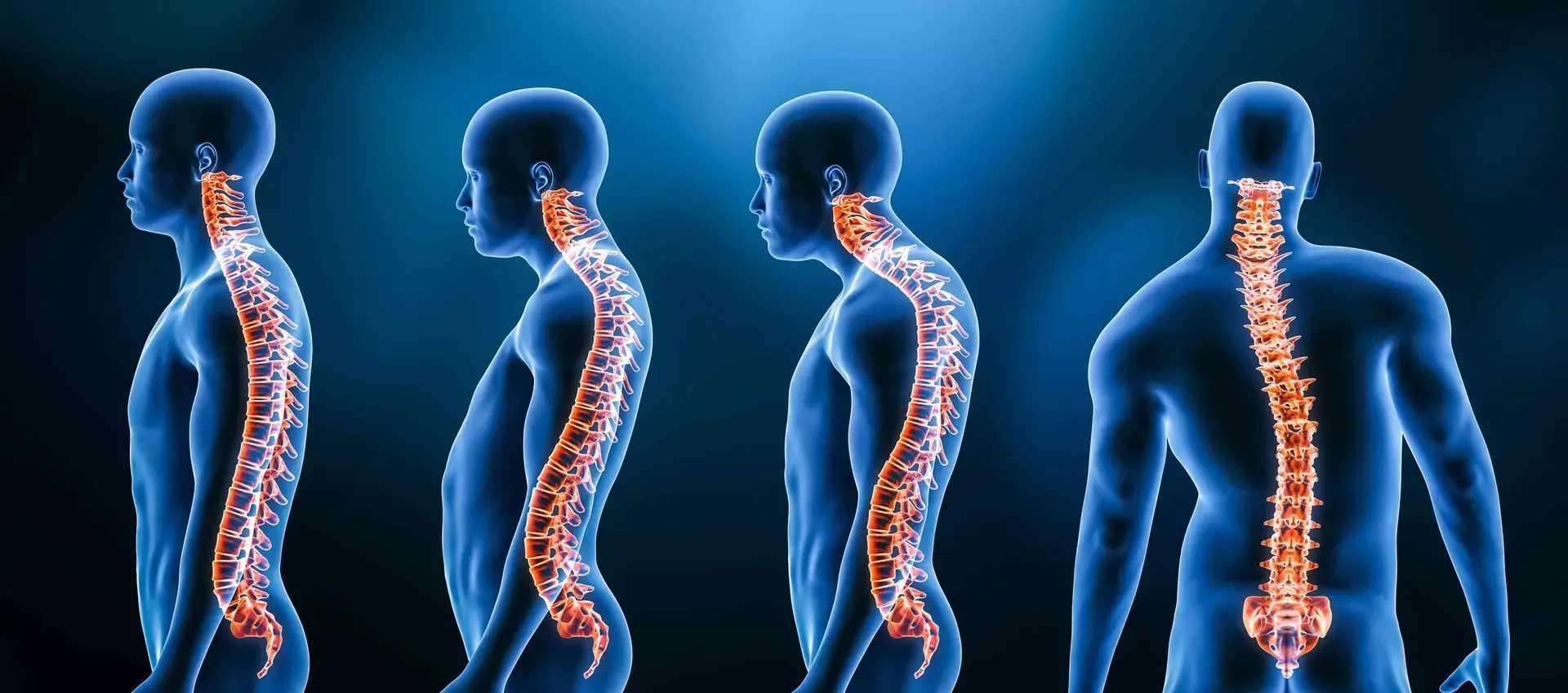
EvoFlex™ is an investigational patient-specific lumbar total disc replacement platform in development. It has not been cleared or approved by the U.S. Food and Drug Administration and is not available for commercial sale in the United States. Its safety and effectiveness have not been established.
Our Technology
EvoFlex™ L-TDR is an investigational device. Not approved or cleared by the U.S. FDA. Not available for commercial sale.
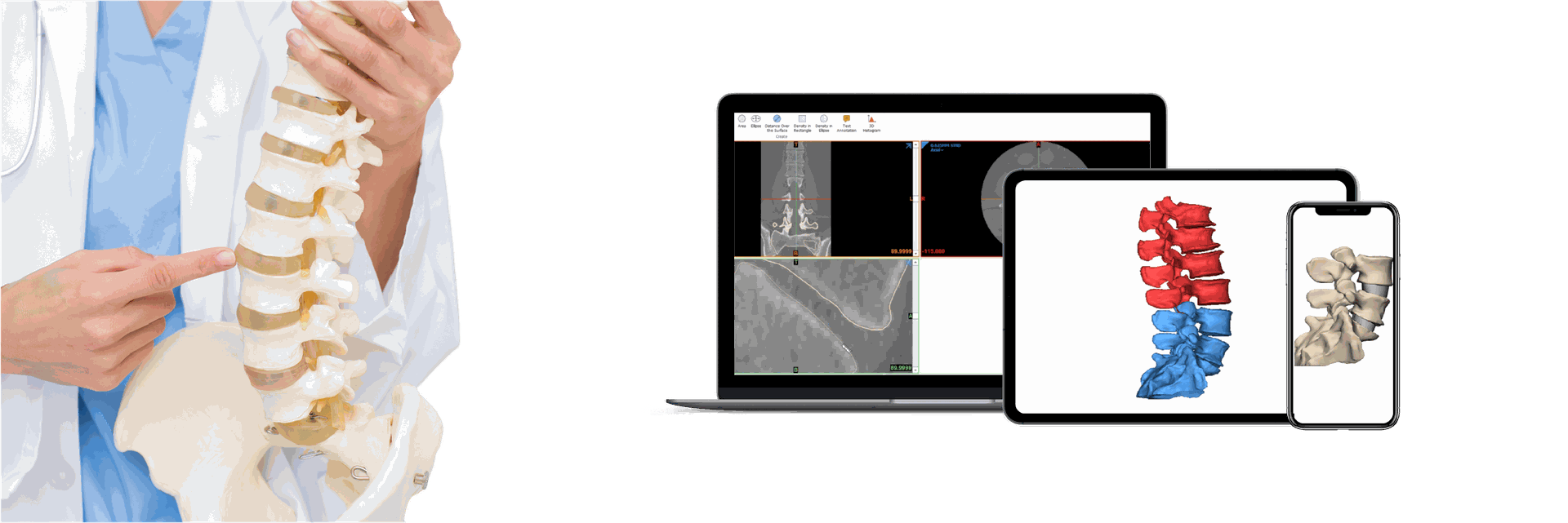
EvoFlex™ L-TDR is an investigational device. Not approved or cleared by the U.S. FDA. Not available for commercial sale. For illustrative purposes only.
Nivalon is developing EvoFlex™, an integrated lumbar total disc replacement platform that combines medical-image processing, surgeon-guided computational planning, patient-specific implant geometry, advanced ceramic biomaterials, an elastomeric motion-preserving core, and additive manufacturing. The platform is designed to account for anatomical differences that fixed-size implant systems may not fully address.
Patient-Specific Imaging and Planning
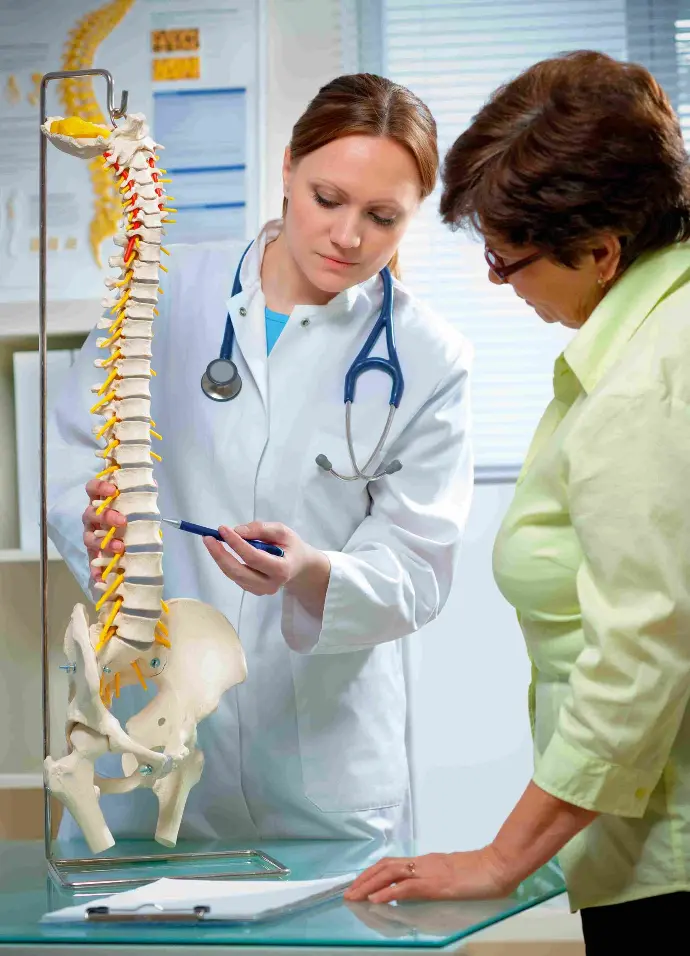
The proposed workflow begins with a defined CT imaging protocol. Imaging data are processed to create a three-dimensional anatomical model that can support patient-specific planning and implant design within established design parameters.
The model is intended to help the surgeon evaluate relevant anatomy and plan implant sizing, positioning, and alignment. The treating surgeon remains responsible for diagnosis, patient selection, and all clinical decisions. The accuracy and clinical utility of the workflow will be evaluated through appropriate verification, validation, and clinical studies.
Patient-Specific Implant Design
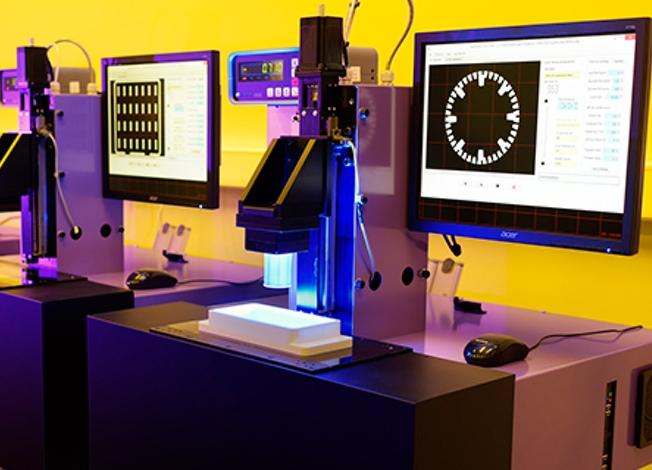
Following surgeon review, the anatomical model informs patient-specific implant geometry within defined design and manufacturing constraints. EvoFlex™ is being developed with additively manufactured ceramic endplates and an elastomeric core intended to preserve controlled motion. Its geometry is designed to match key aspects of the patient's anatomy more closely than a fixed set of standard implant footprints. Material performance, fixation, wear, durability, and biological safety are subjects of ongoing preclinical evaluation.
Surgeon-Guided Planning Platform
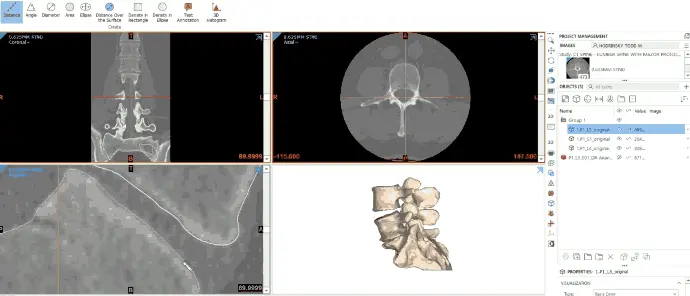
Nivalon is developing a surgeon-guided software workflow to convert medical imaging into three-dimensional anatomical models and support case-specific planning and implant design. The platform is intended to standardize key planning inputs, preserve surgeon oversight, and create traceable design outputs for manufacturing. Software functions, accuracy, usability, cybersecurity, and any future algorithmic capabilities will require defined verification and validation. The current platform does not predict treatment effectiveness or guarantee patient outcomes.
A Differentiated Development Program
By integrating patient-specific imaging, surgeon-guided planning, advanced materials, and additive manufacturing, Nivalon is pursuing a differentiated approach to lumbar total disc replacement. The development program is intended to evaluate whether anatomical matching and controlled motion can address important limitations of conventional fixed-size systems. Preclinical and clinical evidence will be required to determine the platform's safety, performance, and potential effects on recovery, complications, function, and long-term outcomes.